A Guide to Numbers in English for Kids

Numbers in English for Kids combines four skills: hearing and saying a number, matching it to a quantity, and reading or writing it. A child may chant to twenty yet pause at “six blocks” or confuse thirteen with thirty. Build meaning before speed: start with small sets, link each word to a numeral, then practise dates, scores, prices, times, and measurements. Start from current ability, not age or school year.
📥 Numbers in English for Kids
A printable number words pack with real-life phrases and a one-week practice tracker
Leave your email — we'll send the PDF to your inbox.No spam — the PDF plus one short reminder. Unsubscribe anytime.
What Families Need to Know
Counting in order does not prove quantity knowledge. Check whether your child can give you seven objects, find the numeral 7, and answer “How many?” without counting from one.
A plan for numbers in English for kids should separate number knowledge from English knowledge. Your child may combine two groups into twelve objects yet forget the word twelve. That is a language gap, not a maths gap.
A CEFR level describes broad communication, not a fixed number-word list. Exam tasks place numbers inside listening, reading, or writing questions. Across LearnLink lessons, our tutors check whether learners can use numbers in a message, not merely recite a sequence.
Build the Number System in Stages
Begin with a baseline. Ask your child to show seven fingers or objects, say the number after twelve, choose between fourteen and forty, and write twenty-eight. Stop when answers become guesses. Shorten, repeat, or extend the following six-week route as needed.
This teaching order is not a deadline. A younger beginner may spend weeks on one to ten; an older learner may finish the early stages in a handful of sessions. Advance after steady recall, while reviewing earlier numbers in short tasks.
How to Introduce Number Words at Home
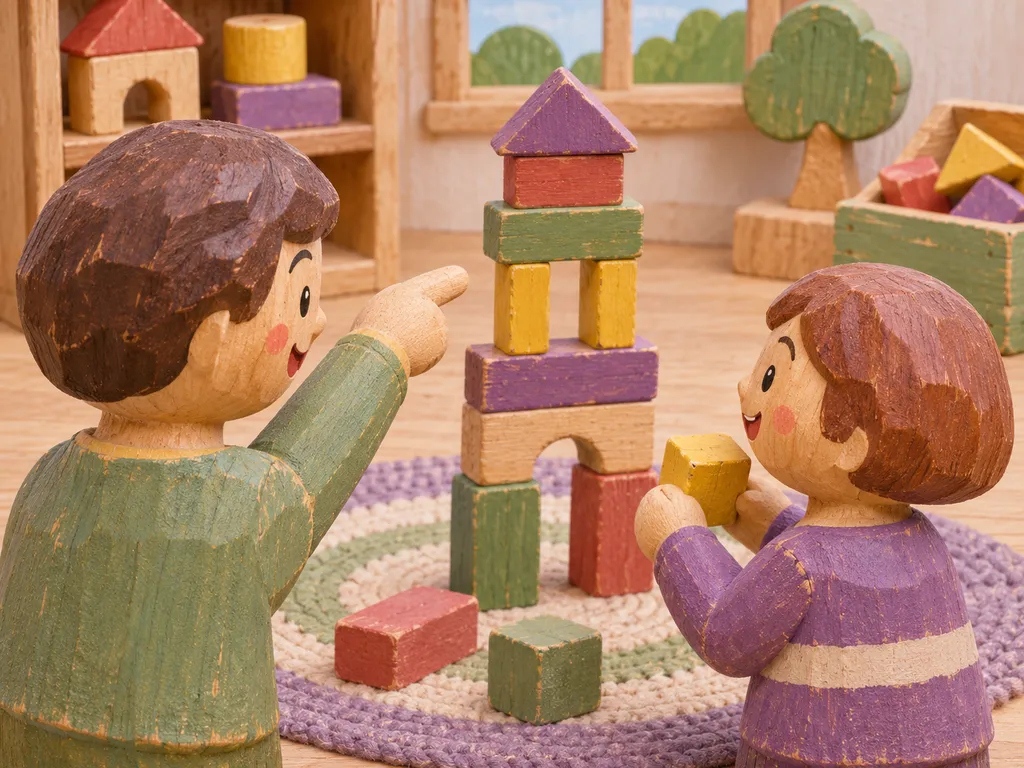
Teach numbers in English for kids with a three-step routine: see it, hear it, use it. Put five buttons on a table, say “five,” and show 5 and five. Change the objects but keep the quantity, showing that the word names an amount, not the buttons.
Keep rounds short and change one feature at a time. After cardinal numbers are secure, add ordinal numbers for position: first in a race, second on a list, or the third book on a shelf. Introduce written endings gradually.
Practice 1: Complete the Number Pattern
Ask your child to fill each gap aloud: six, seven, ___; twelve, thirteen, ___; twenty, thirty, ___; twenty-eight, twenty-nine, ___. Then request the missing numerals in writing.
Answers: eight, fourteen, forty, thirty.
Examples by Age and Readiness
Younger children benefit from movement and small quantities. Count steps, taps, toys, or fruit. Stay within one to ten until your child can follow requests such as “Bring me four pencils” without copying an adult.
School-age learners can connect spoken numbers with spelling. They can sort number cards, keep score, read simple prices, and answer “Which number is greater?” Practise teen numbers and multiples of ten together.
Older beginners can start with a wider range but still need listening practice. For multilingual learners, numbers in English for kids may accompany number systems known in other languages. Compare differences in word order or pronunciation, while requiring complete English responses.
Practical Activities That Make Numbers Useful
Make numbers in English for kids part of real tasks: set a table for six, read a bus number, compare temperatures, measure ingredients, or announce a score. For calendar work, practise saying dates in English with the month spoken aloud because written date order differs across countries.
Practice 2: Turn Digits into a Message
Ask your child to say these in full: 18 points; 7:30; 25 cm; 3 books; 14 May. Reverse the task: say each message and ask your child to write the key number. Accept “seven thirty” or “half past seven” when the meaning matches.
Rotate activities instead of adding number words daily. Focus one session on listening, another on speaking, and another on writing. Separate sessions expose the weak skill and keep practice manageable for children new to online learning.
Fix Common Sticking Points
Teen numbers and tens need accurate stress. In thirteen, the final syllable is stronger; in thirty, the first is stronger. Contrast “thirteen cards, thirty cards,” then ask your child to point to the correct numeral.
Spelling causes avoidable errors: forty, not fourty; fifteen, not fiveteen. With hundreds, children may hear “one hundred and five” or “one hundred five.” Both regional patterns have the same value.
Check progress through three tasks: hear one number, make one quantity, and write one numeral. If one task remains hard, practise that link in the chain. Do not restart the number sequence when only spelling or listening needs work.
- Try counting five toy cars slowly, correcting skipped numbers with gentle repetition.
- Practice teen numbers with seven-year-olds using paired cards for thirteen and thirty.
- Use a familiar picture book to spot and say every printed number.
- Clap once per syllable when children confuse fourteen, forty, sixteen, and sixty.
- Repeat Numbers in English for Kids games for ten focused minutes today.
When a word has several meanings or pronunciations, Cambridge Dictionary is a useful check before turning it into child-friendly examples.
Frequently Asked Questions About Number Words
These answers identify a starting point and measure progress without relying on one school system.
What Number Range Should My Child Learn First?
For Numbers in English for Kids, start with one to ten. Check that your child can hear each word, make the matching quantity, and recognise the numeral. Next, add eleven to twenty before larger tens. Older beginners may progress faster, but skipping irregular teen forms often causes later listening problems.
Why Does My Child Confuse Thirteen and Thirty?
The words share sounds but stress different syllables. Practise them as pairs while showing 13 and 30. Use sentences such as “I have thirteen” and “I have thirty,” then change the context. Ask your child to point before speaking, testing listening and pronunciation separately.
How Long Does It Take to Learn Number Words?
Timelines vary with maths knowledge, English exposure, and memory skills. Treat the six-week route as a sequence, not a promise. Short practice throughout the week works better than one long session. Advance when your child uses the current range in an unfamiliar task.
Do Number Skills Show My Child’s CEFR Level or Exam Readiness?
No. Number skills form one part of listening, speaking, reading, and writing. A child may handle large numbers but struggle with a full instruction, or understand the instruction but miss one number. For exam preparation, use current official samples showing numbers within complete questions and messages.
If your child needs steady speaking practice, start small — choose a trial lesson.
Stay updated on our latest tips and resources by following us on Instagram LearnLink.