Level 1 English Reading for Kids
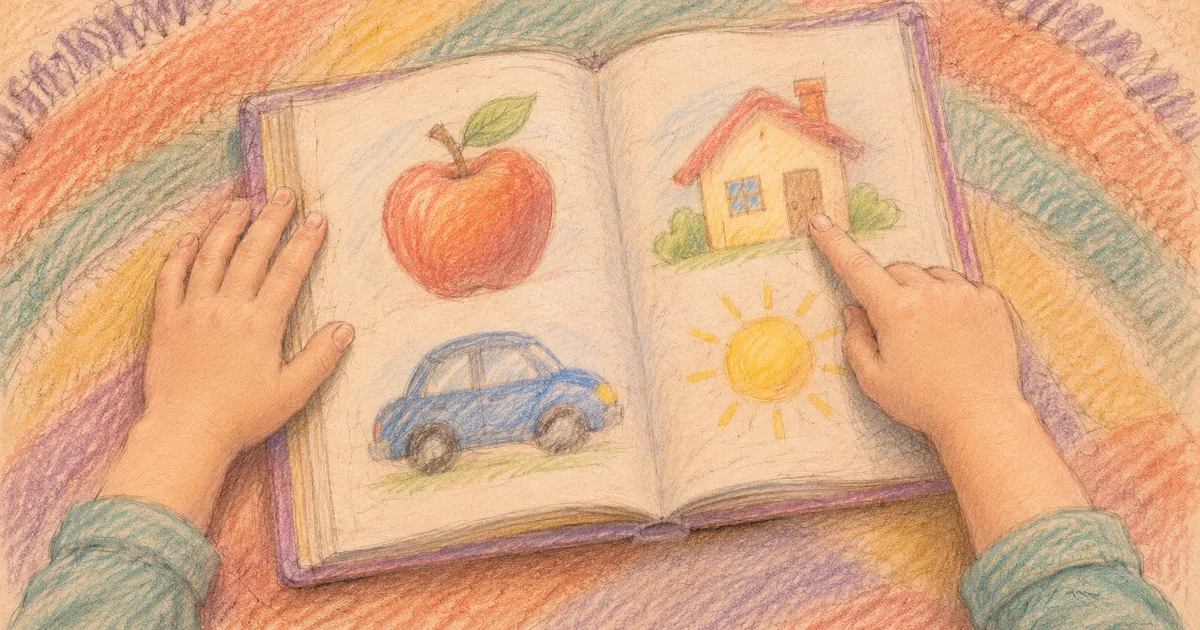
Level 1 English Reading for Kids describes a beginner who recognises words, reads short patterned sentences, and answers direct questions about a text. Definitions vary across schools, publishers, and learning programmes. Check whether the child links print with meaning, reads brief passages with support, and explains events. This guide covers assessment and home practice.
What Level 1 Means
A beginner reader may know words such as cat, red, and run, then read patterned lines: “I see a dog. I see a frog.” Pictures, repetition, and familiar topics reduce the reading load.
Level 1 English Reading for Kids should measure understanding, not only decoding. After a short page, ask, “Who is this?” or “What did the dog do?” A child who reads slowly yet answers accurately understands the text.
Do not treat the label as an exam result. With regular practice, children steadily build confident everyday English at their own pace. If a school uses its own Level 1 standard, request a sample text and marking guide.
Skills to Check Before Choosing a Book
Check four areas: letter-sound knowledge, high-frequency word recognition, oral vocabulary, and comprehension. Perfect pronunciation is unnecessary. The child needs enough spoken English to understand most words on the page.
For Level 1 English Reading for Kids, choose a text with familiar vocabulary and limited new words. Let the child read one page aloud, then retell it. Constant guessing, lost meaning, or frustration signals a need for more support.
Use a quick five-minute check before selecting the book. Show the child eight common letter patterns, such as sh, ch, ee, and oa, then ask for one example word for each. Next, present ten high-frequency words from the text. A child who reads at least eight automatically is more likely to keep the story moving. For many beginners school-age kids, slow decoding is normal; confusing similar-looking words such as was and saw is a common mistake.
Then test meaning, not just accuracy. Choose a 40–60-word passage and use the “read, cover, tell” technique: the child reads, covers the page, and explains who did what. A useful starting point is a retelling with two correct details and the main event. If the child can pronounce most words but cannot explain the action, the book may exceed their oral vocabulary or comprehension. Avoid choosing by age label alone.
Examples for Different Ages
Age affects presentation more than core reading skill. A five-year-old may prefer animals and repeated lines. A nine-year-old beginner may need the same sentence length but prefer facts, humour, or school topics. Older beginners need accessible language without babyish design.
These tasks are starting points, not age rules. A multilingual child may know the concept in another language. Discuss the picture, teach the English term, and reread the sentence.
A Six-week Home Reading Plan
Practise Level 1 English Reading for Kids for ten to fifteen minutes, four or five days each week. Stop while attention remains steady. Short, frequent sessions build consistency better than occasional long sessions.
- Week 1: Read one patterned book together and notice repeated words.
- Week 2: Match eight familiar words to pictures or objects.
- Week 3: Rebuild short sentences from word cards.
- Week 4: Read a new text on a familiar theme.
- Week 5: Answer who, what, and where questions.
- Week 6: Reread an earlier text and compare ease, accuracy, and understanding.
Keep one record: title, date, words needing help, and one question the child answered. Do not time every reading. Track whether support decreases while understanding remains secure.
Practical Activities That Build Understanding

Before reading, preview the pages and name key objects or actions. Then read together. In LearnLink lessons, tutors can model a sentence, pause for the child’s attempt, and check meaning with a brief question.
Complete the Sentence
Choose is, has, or can: “The bird ___ blue.” “The fox ___ a long tail.” “The frog ___ jump.” Answers: is, has, can.
Next, change one part of each sentence. “The bird is blue” can become “The bird is small.” The change tests understanding of the sentence pattern instead of memorisation.
Read and Answer
Read: “Mia has a red bag. The bag is on the chair.” Ask: “What colour is the bag?” and “Where is it?” Answers: red and on the chair.
Repeat the task with a new name, object, colour, and place. Keep the grammar pattern stable at first. Add changes when the child answers without searching every word.
How to Judge Progress
Progress in Level 1 English Reading for Kids appears as reduced prompting, recognition of sentences that make no sense, and accurate explanations of events.
Move to longer texts when the child can read a sequence of short sentences, follow their order, and answer direct questions. Keep easier books in the routine. Rereading builds fluency and reinforces success.
If reading remains tiring, identify whether the difficulty involves English vocabulary, print, attention, or eyesight. A tutor can adjust language support. Discuss persistent concerns about reading development with the child’s school or an appropriate specialist.
Use a simple weekly check with children aged 6–8: choose an unfamiliar 50–70-word passage at the same difficulty, allow one first reading, then ask three questions—one about a stated fact, one about sequence, and one requiring an inference. Record self-corrections, words that needed help, and whether the child can retell the beginning, middle, and end in order. Compare patterns across three or four checks rather than treating one tired day as a setback.
A common mistake is counting speed alone. A child who reads quickly but skips endings, substitutes a guessed word from the first letter, or cannot explain who did what is not yet secure. Mark phrasing too: pauses should increasingly follow punctuation and meaningful word groups, not occur after every word. If two or more of these errors persist across several sessions, shorten the passage, preview five difficult words, and check again after a week.
For reading and phonics support beyond the article examples, Scholastic Parents is a helpful independent resource for parents.
Frequently Asked Questions
Is Level 1 the Same as CEFR A1?
No. Level 1 English Reading for Kids is a broad label with varying definitions; CEFR A1 describes a defined range of language ability. Books marked Level 1 can differ in difficulty. Compare each sample with your child’s reading, vocabulary, and comprehension instead of relying on the number.
What If My Child Speaks English but Cannot Read It Yet?
Connect familiar spoken words to print through labels, picture cards, repeated sentences, and known topics. Ask the child to say a sentence, then find its words on the page. Strong spoken English helps, but letters and word patterns still require direct practice.
How Long Should a Home Reading Session Last?
Ten to fifteen focused minutes often suits beginners. A younger child may work for less time; an older beginner may continue longer. Stop before tiredness creates a struggle. If your child wants to continue, read the next part together instead of testing every page.
Should I Correct Every Reading Mistake?
No. Correct mistakes that change meaning or block the next sentence. If a different word preserves meaning, wait until the line ends before discussing it. Offer the first sound or picture as a clue, then supply the word if the child remains stuck.
How Do I Know When My Child Is Ready for the Next Level?
Look for steady understanding and growing independence. Your child should read a short unfamiliar passage with limited help, explain the main event, and answer direct questions. Occasional mistakes are normal. Add one challenge at a time: longer sentences, fewer pictures, or limited new vocabulary.
Want to see how these ideas work in a real lesson — try a LearnLink trial lesson.
Stay updated on our latest tips and resources by following us on Instagram LearnLink.